


Category: Trains in France
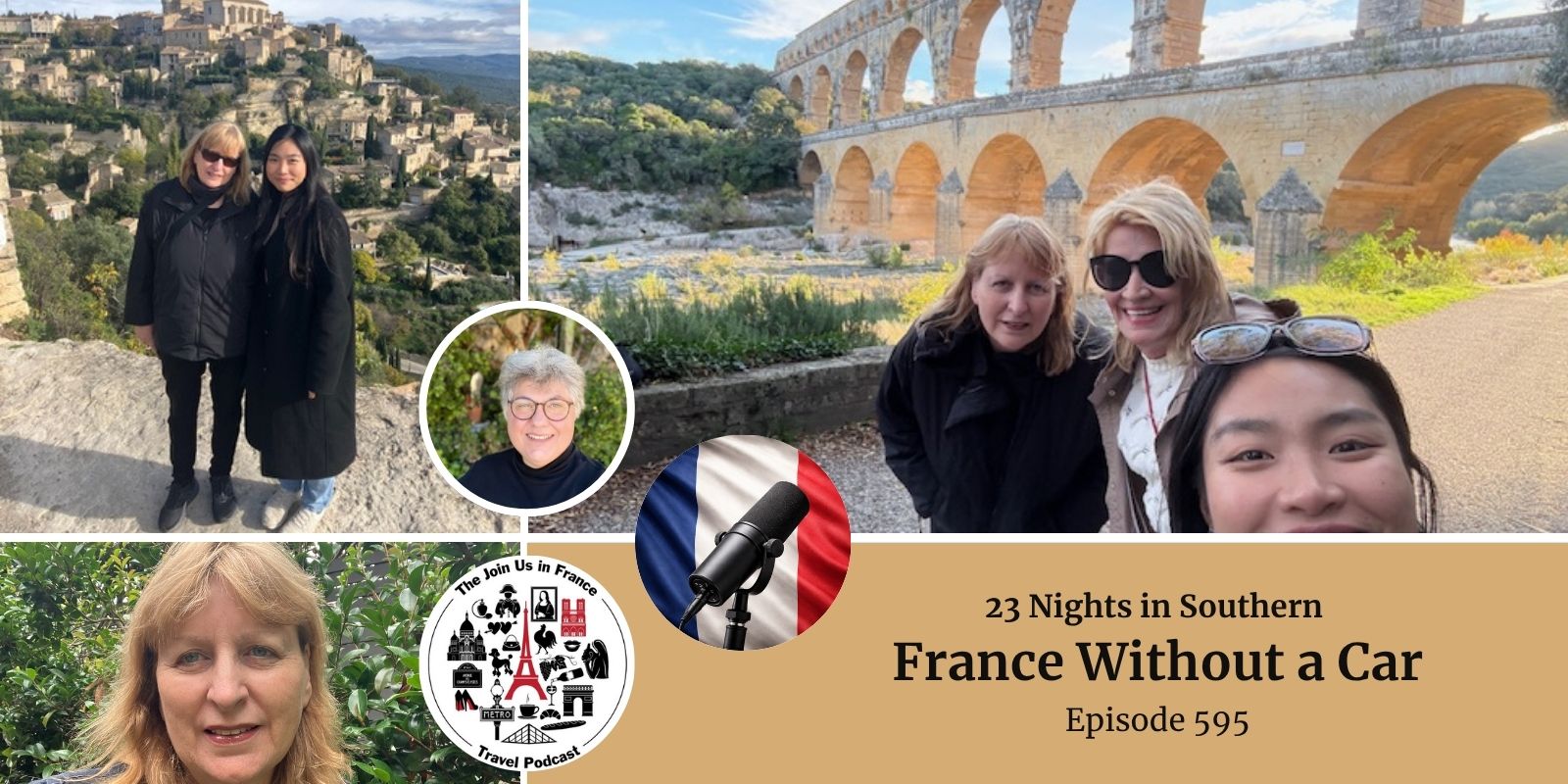
23 Nights in Southern France Without a Car
If you've been wondering whether you can have a real, satisfying trip through the south of France without renting a car, this episode is your answer. Sally Schokman, an Australian solo traveler, spent 23 nights crisscrossing Bordeaux, Toulouse, Albi, Avignon, Nice, Lyon, and Paris entirely by train — and she came back with strong opinions, practical tips, and zero regrets.
Listen to the episode ad-free
The train logistics
Sally traveled in October, smack in the middle of French school holidays, which shaped almost every decision she made. Trains were packed, buses were reduced, and popular routes sold out fast. Her first lesson: book your train tickets well in advance, especially on high-demand routes like Paris to Bordeaux. She used the Trainline app, which handily consolidates both TGV InOui and Ouigo tickets in one place — useful because the two operators normally live in separate apps.
Speaking of Ouigo: Sally took one from Montparnasse to Bordeaux and wouldn't rush to do it again. The trains go just as fast as a regular TGV, but the cars are more cramped, there are more families on board during school holidays, and finding space for luggage is a challenge. If you can get a regular TGV, get it.
Where she went and what she thought
Route covered: Bordeaux (4 nights, rainy) → Toulouse (3 nights + Albi day trip) → Avignon (day trips to Arles and Pont du Gard) → Nice (5 nights, day trips to Eze, Saint-Paul de Vence, Monaco, Rothschild Villa) → Lyon (3 nights) → Paris
Bordeaux greeted Sally with five days of rain. She still liked it, especially the streets around Église Saint-Michel once you walk away from the commercial center. Her standout experience was Saint-Émilion — beautiful even in the rain — where she visited the Cloître des Cordeliers, a former Franciscan monastery that now produces crémant, French sparkling wine. Worth the trip.
Toulouse gave her an extra night due to a weather cancellation, which turned out to be a gift. She used it to get to Albi, something she wouldn't have managed otherwise. In Toulouse she loved the Musée des Augustins for its Impressionist collection, and the Couvent des Jacobins for its extraordinary stained-glass windows. Her tip: both Toulouse and Bordeaux have museums that don't open until 11am — plan accordingly.
Avignon was her biggest surprise and arguably her favorite stop. She described it as everything she'd imagined the south of France would be — gardens, squares, cloisters, beautiful light in October, and six museums, several of them free. The Musée Calvet and the Musée Lapidaire both impressed her. Arles is an easy and highly recommended day trip from there.
In Nice she had five nights and took a day trip with a tour guide to Saint-Paul de Vence, Eze, and Monaco. One practical heads-up she passed along: if you go to Monaco, bring a paper map, because many international phone plans don't work there due to Monaco's own data regulations.
Lyon got three nights and strong praise, particularly for the Musée des Beaux-Arts — she said don't miss it. She also bought a three-day transit pass, which made getting around the city easy and affordable. The Marché Paul Bocuse is a bit of a detour from the tourist center but absolutely worth it for a tasting plate and a glass of wine.
Paris closed the trip, and after the slower pace of the south, she found it tiring at first. Her best day included the Marmottan Monet Museum, a long outdoor market in the 14th arrondissement, the Petit Palais (free, and stunning), and an evening at Église Saint-Sulpice, where she caught the choir practicing.
What I cover in the magazine segment
I explain a recent change in French law that gives SNCF and RATP security agents — known as the Suge and GPSR — slightly expanded powers around train stations and metro stops. Think bag checks, pat-downs, and the ability to intervene just outside station entrances. This is not a dramatic shift, and it's nothing for visitors to worry about. France has had a visible security presence in public spaces for a long time. The goal is to reduce petty crime and make public transport feel safer for everyone.
Traveling France without a car is very doable, and Sally's trip is a good reminder that the train network in the south and southwest is genuinely excellent. You won't get to every single village, but you'll get to more than enough — and you'll do it without parking stress, without GPS anxiety, and with a front-row seat to the French countryside rolling past the window.
If you want a weekly recap of what's new on the podcast and what I'm paying attention to in France travel, sign up for my free newsletter at joinusinfrance.com/newsletter.
Table of Contents for this Episode
More episodes about using the trains in France
#JoinUsInFrance, #FranceByTrain, #SoloTravelFrance, #FranceWithoutACar, #SouthOfFrance, #TrainTravelEurope, #FranceTravelTips, #SoloFemaleTraveler, #AvignonFrance, #BordeauxFrance, #NiceFrance, #LyonFrance, #FrancePodcast, #Francophile, #VisitFrance, #FranceTravel, #TravelFrance, #RealFrance, #FranceMuseums, #TravelPodcast
FOLLOW US ON:
Subscribe to the Podcast
Apple YouTube Spotify RSSSupport the Show
Tip Your Guides Extras Patreon Audio ToursIf you enjoyed this episode, you should also listen to related episode(s):
- Discover France by Train and Bus: A Solo Traveler’s Budget Guide, Episode 565
- Adventures of a Solo Woman in Marseille, Episode 454
- Solo Travel in Paris: Ideas for Women, Episode 224
- A Solo Traveler's Experience in Southwest France, Episode 545
- A 21-Day Solo Adventure Through France, Episode 489
- First Visit to France as a Solo Traveler, Episode 418
- 5 Days Solo in Paris, Episode 482
- 12 Days Solo in Paris, Episode 376
- Solo in Paris: Enjoy Paris on Your Own! Episode 273

Read more about this episode
TranscriptCategory: Trains in France