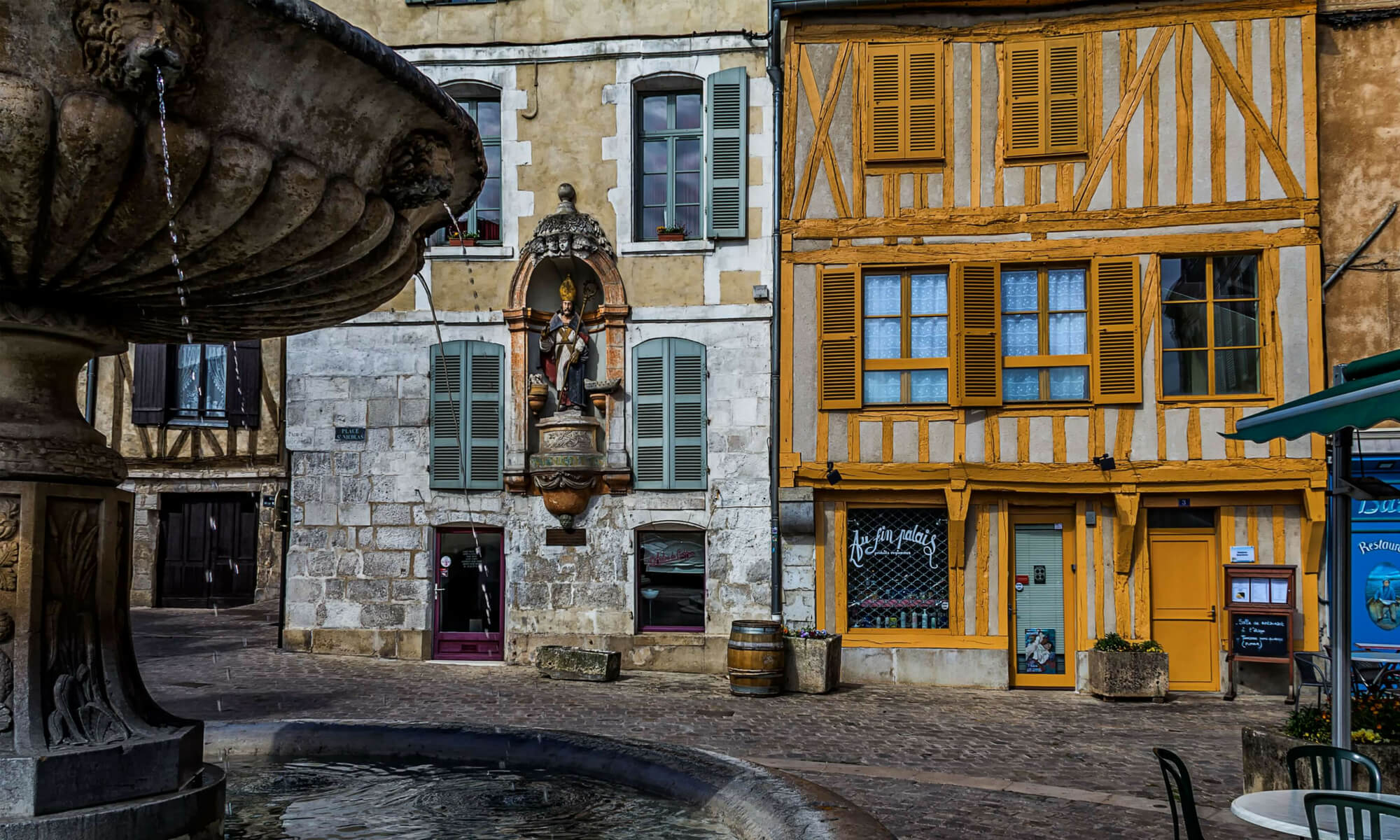

François I: The King Who Brought the Renaissance to France, Episode 625

François I brought Leonardo da Vinci and the Mona Lisa to France, built Chambord, and made French the language of the law. He also lost at Pavia and sent his two sons to a Spanish prison in his place. Elyse Rivin and I look at both sides of this king.
East Paris Walk: Ménilmontant, Belleville and the Buttes-Chaumont, Episode 624

Most visitors never go further east than Père Lachaise. This episode follows an East Paris walk through Ménilmontant, Belleville and the Buttes-Chaumont: a rooftop bar, street art, an accordion sing-along, crêpes, Paris’s second Chinatown and the views locals keep to themselves. Plus, should Louis Vuitton pay for public streets?
Visiting Verdun and the WWI Battlefields of Eastern France, Episode 623

With November 11 approaching, we look at the World War I sites of the Grand Est: the Meuse-Argonne American Cemetery, the Douaumont Ossuary, the forts and the Verdun Memorial. Plus where to stay for a Verdun battlefield visit, how long to plan, and films and books to prepare.
How to Handle Protests in France: Lessons From October 17, Episode 622

Six listeners were in France during the October 17 riots: tear-gassed in Bordeaux, watching the Limoges city hall burn, sitting it out in Paris and Montpellier. They share what happened and how to handle protests in France so a demonstration doesn’t ruin your trip. Most of the country never noticed.
Northeast France Itinerary: Lille, Metz, Nancy and Alsace, Episode 621

A listener who drives into the northeast of France often explains how she uses Lille as a base for the WWI sites, why Metz deserves more attention, why you shouldn’t visit Nancy over New Year’s, and why Alsace is worth a summer trip. Plus, what the October 17 protests mean for your trip.
Gustave Courbet, the Rebel Painter from Ornans, Episode 620

Elyse Rivin and Annie Sargent tell the story of Gustave Courbet, the self-taught painter from Ornans who defied the French art establishment. His scandals, his politics and his exile in Switzerland, plus what to see in Ornans today: his museum, his studio, the family farm and the Loue Valley.
Marseille Travel Guide: What Locals Want You to Know, Episode 619
Marseille has a reputation, but locals see a different city. Emilie Bonnel of the Marseille Tourist Office and food writer Alexis Steinman share where to eat bouillabaisse, which neighborhoods to stay in, how to get Château d’If tickets, what to do on a cruise stop, and why winter is ideal.
Baccarat Crystal: Visiting the Town and Museum in the Grand Est, Episode 618

Baccarat is a small town between Nancy and Colmar that gave its name to world-famous crystal. We talk about how glass becomes crystal, what to see at the Baccarat crystal museum, why the Saint-Rémy church is worth a stop, and the humanist library in Sélestat on the road to Colmar.
Brittany Coastal Camping Guide: GR34 from Saint-Brieuc to Saint-Malo, Episode 617

Jennifer Gruenke hiked the GR34 in Brittany from Saint-Brieuc to Saint-Malo, camping every night without booking ahead. She explains how French campground stars work, how to use the BreizhGo buses when your legs give out, and where to find mussels, galettes, and a tidal island chapel along the way.
Two Heroines in the Panthéon: Geneviève de Gaulle-Anthonioz and Germaine Tillion, Episode 616

Two women honored in the Panthéon, Geneviève de Gaulle-Anthonioz and Germaine Tillion, were arrested as Resistance fighters and survived deportation to Ravensbrück together. Elyse Rivin joins me to explain how their friendship began there, and why they spent the rest of their lives fighting poverty, torture, and injustice.